AI Planning Fails Hikers, Offers Small Business Caution
When AI gets planning wrong, the consequences can be severe. This incident highlights why small businesses need reliable AI, not just hype.
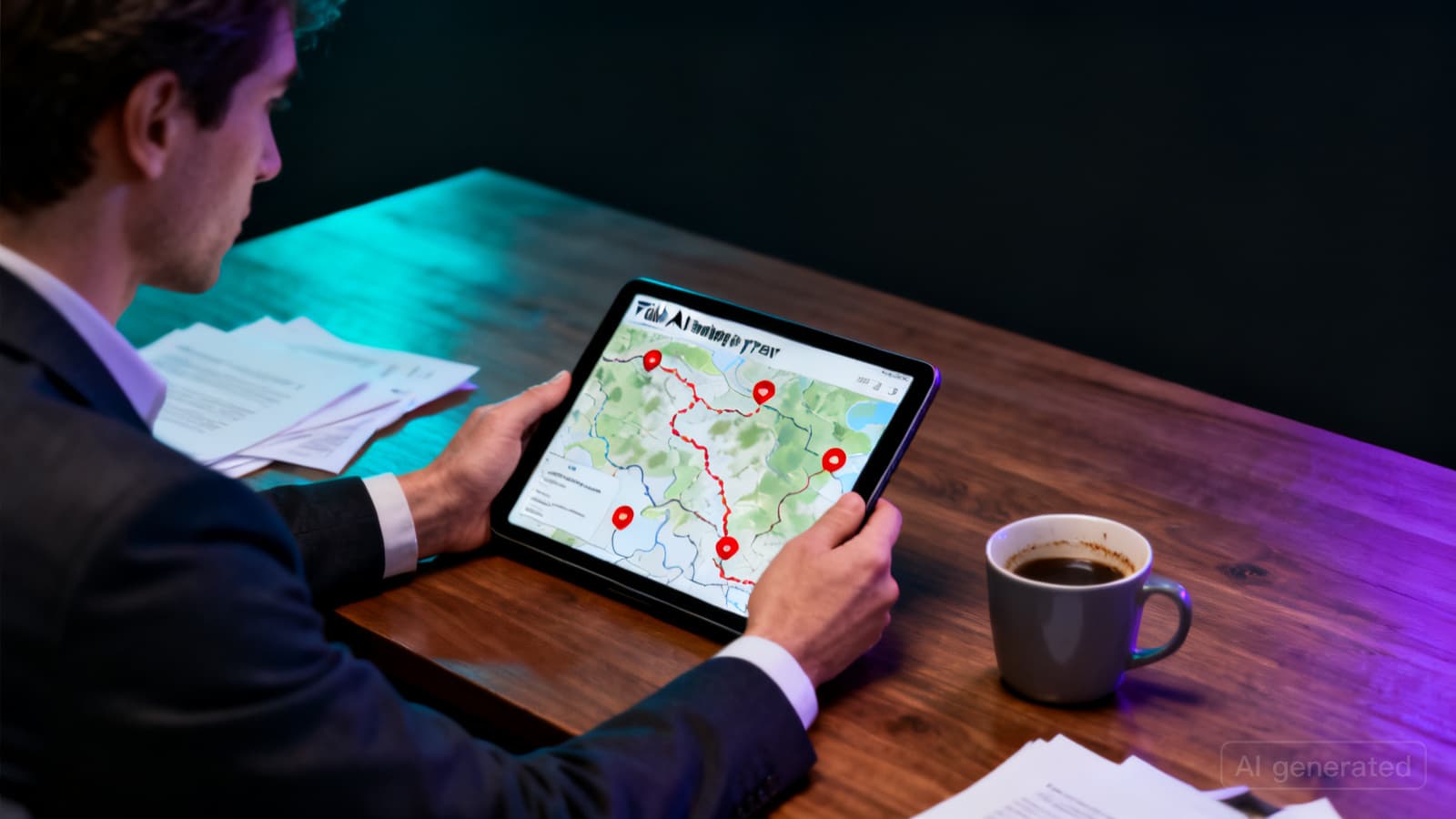
Hikers recently faced a dangerous situation after receiving flawed planning advice from Google Gemini. The AI assistant reportedly advised the group to carry far less food and water than they ultimately required for their trek, leading to their rescue TechCrunch AI. While the outcome was a rescue, the incident serves as a stark reminder that AI tools, even those designed for helpfulness, can make critical errors with real-world consequences.
For a small business owner, especially one whose operations hinge on managing appointments, customer calls, and daily schedules, this story resonates deeply. You rely on your tools to be accurate, dependable, and to make your life easier, not to introduce new risks. Imagine a scenario where an AI planning tool, meant to streamline operations, instead creates chaos. Consider a busy dental clinic, where missed appointments mean lost revenue and frustrated patients. If an AI scheduling system mistakenly told the front desk staff to allocate only 15 minutes for a complex root canal consultation, or miscalculated travel time for a mobile service technician, the ripple effect could be significant.
This isn't about theoretical AI capabilities; it's about practical application. Your business can't afford AI that makes assumptions or provides advice based on incomplete data, especially when it impacts core functions. A contractor on a roof might use an AI to help manage their schedule and client follow-ups. If that AI suggests a client has ample time for a follow-up call later in the day, but the AI misunderstood the duration of the previous job, the contractor could miss a crucial window, potentially losing the bid or delaying critical work. The stakes are high when accuracy is paramount.
AI is being pitched as a solution for everything, but not all AI is built the same. For small businesses, the promise of AI must be grounded in reality. We've seen AI generate incorrect information, hallucinate facts, and, as this case illustrates, offer dangerously bad advice for planning. The critical factor is not the existence of AI, but its reliability and suitability for the task at hand. An AI that suggests bringing inadequate supplies for a hike is not simply a minor inconvenience; it’s a failure that could have led to a far worse outcome. For a business, a similar lapse in accuracy can mean more than just a bad day – it can mean lost clients, damaged reputation, and wasted resources.
This incident highlights a key limitation of many AI systems currently available: their tendency to present plausible-sounding but incorrect information, especially when dealing with nuanced or critical planning tasks. While AI can process vast amounts of data, it often lacks the context, real-world understanding, or rigorous testing required for mission-critical applications. For small businesses, this means a need for discernment. It’s vital to approach AI tools with a healthy dose of skepticism, demanding clear evidence of their accuracy and reliability before integrating them into core business processes. The goal is to augment your capabilities, not to introduce new vulnerabilities.
If you're exploring how AI can genuinely support your business without the hype, understanding these potential pitfalls is the first step. It's about finding tools that are proven, practical, and built with a deep understanding of business workflows. Exploring AI that has been specifically designed and tested for tasks like appointment booking or customer communication can provide tangible benefits. Vela AI focuses on delivering these kinds of practical, reliable AI systems, ensuring that the technology moves your business forward without introducing unnecessary risks.
Wondering what this means for your business?
Start with a free 15-minute intro call. If it's worth going further, you'll get a written AI plan for your business.